I'm guessing it'll be a similar leap with a new generation resin printer.
I don't know, other than increased screen resolution, most SLA stuff can't really be iterated upon . . . FDM has had a lot more interest outside of the niche 'artsy,' world.
SLA is meant for insane resolution with very little post processing, it works best in creating high detail masters for moulding and casting.
My expereince is that UV resins, unlike some filaments, actually keep insanely well in just a airtight containers. I have not seen a lot of difference in quality of the resins itself.
I think SLA will remain highly specialised, its a great replacement for the art of carving wax masters and the like, but its definately a long way from FDM where you can get a variety of materials in an easily scalable technology. . . moreover, parts of resin printing are more on the 'dark arts,' side of digital technologies where the 'tricks and tips,' you pickup really do alter your entire experience. FDM HAS become more idiot proofed, not perfect, but its a damn far sight from where we started with powder beds 40 odd years ago. . . SLA, well, it gasses a room - until washed AND cured the part is a ball of sticky goo - so if you make mistakes, well, most people are more likely to never try it again.
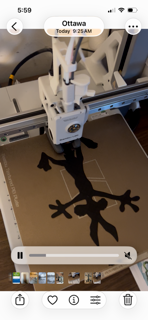
Once cheap PLA hit the FDM scene the barrier to entry got a lot lower, it plays well in the hands of a complete novice, the range of tuning may as well be nonexistant with a heated bed, oh, and it doesn't smell! When FDM was still dominated by ABS users, it really was not a winning propoisition from a user friendly standpoint. (PLA ages the worst of all filaments, it has a shelf life of maybe a year and a half max, organic polymers and everything.)